
Travel packing tips Key Takeaways
Once you’ve sorted your checklist, use these space-saving techniques to fit everything into a carry-on.
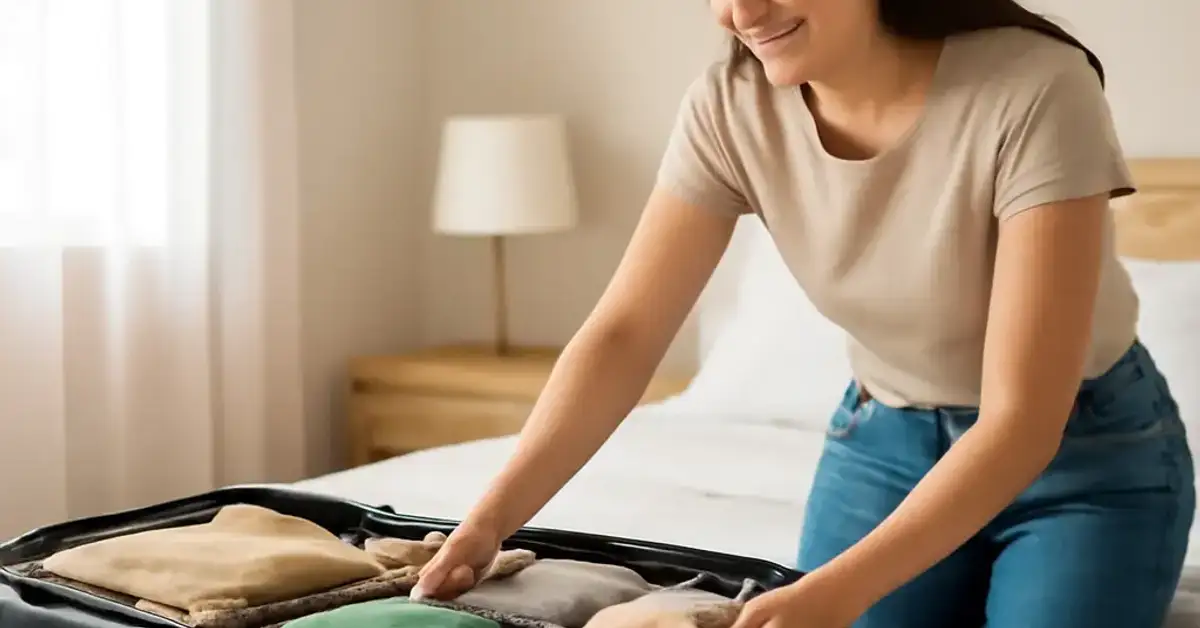
Why Most First-Time Travelers Overpack (and How to Fix It)
The biggest mistake beginners make is packing for every possible scenario. You bring three extra outfits “just in case,” a full-size shampoo bottle, and a book you never open — and suddenly your suitcase weighs more than you do. The real secret behind solid travel packing tips is learning to trust that you can buy things on the road. Laundry exists everywhere, and most accommodations provide basics like towels and hair dryers. For a related guide, see Hidden Beaches: 7 Secret Weekend Escapes for Beach Lovers.
Another common pitfall is ignoring bag weight limits. Budget airlines have strict carry-on restrictions, and checking a bag at the gate can cost as much as your flight. By following simple packing tips for first time travelers, you can fit everything you truly need into a carry-on and skip the baggage claim altogether.
The “Maybe I’ll Need It” Trap
It’s easy to toss in a dress or a pair of heels for a fancy dinner that might not happen. Be honest with yourself: will you actually wear that third pair of shoes? One of the best travel packing tips for beginners is to lay everything out on your bed and remove half of it. Chances are, you won’t miss a thing.
Essential Travel Packing Tips: Your Step-by-Step Checklist
Below is a category-based checklist to help you pack smarter. Use it as a guide for every trip until it becomes second nature. For first-timers, a first time travel packing list like this one can save you from last-minute panic and forgotten essentials.
Clothing: Less Is More
Stick to a neutral color palette so everything mixes and matches. For a one-week trip, aim for:
- 3 tops (mix short and long sleeve)
- 2 bottoms (pants and shorts or a skirt)
- 1 lightweight jacket or sweater
- 2 pairs of shoes (walking shoes + sandals or dress shoes)
- 7 sets of underwear and socks (sink-wash if needed)
- 1 swimsuit (dries fast and doubles as extra underwear)
One pro tip: wear your heaviest shoes and jacket on the plane to save suitcase space. These travel packing tips alone can free up a third of your bag.
Toiletries: Travel-Size Everything
TSA limits liquids to 3.4 ounces (100 ml) per container, so buy travel-size bottles. Bring only:
- Shampoo and body wash (or a solid bar that lasts longer)
- Toothbrush, toothpaste, floss
- Deodorant, razor, and a small first-aid kit
- Sunscreen and lip balm
- Any prescription meds (keep in original packaging)
Place toiletries in a clear, leak-proof bag. If you’re staying in a hotel, you can skip shampoo altogether — they almost always provide it.
Documents: What You Can’t Forget
Nothing derails a trip faster than missing paperwork. Make a separate pouch for:
- Passport (valid at least 6 months beyond your return date)
- Printed copies of flight confirmations, hotel bookings, and travel insurance
- Credit cards, cash in local currency, and a backup card
- Driver’s license or ID card
- Vaccination card (if required)
Take photos of all documents and email them to yourself. That way, even if your pouch goes missing, you have digital backups — a simple travel packing tips hack that could save your trip.
Tech: Stay Connected Without the Clutter
Modern travelers often over-pack electronics. All you really need is:
- Phone and charger (fast-charging block, not just a cable)
- Universal adapter (if traveling internationally)
- Power bank (at least 10,000 mAh for a full phone charge)
- Earbuds or headphones (noise-canceling is a game-changer on planes)
- E-reader or tablet (instead of paper books)
Keep cords and adapters in a small zip pouch so they don’t tangle. Many experienced travelers also download offline maps and entertainment before leaving, which saves data and keeps you entertained without extra devices.
Pro Tips for Saving Space and Avoiding Overpacking
Once you’ve sorted your checklist, use these space-saving techniques to fit everything into a carry-on. These advanced travel packing tips separate beginners from smooth travelers.
Roll, Don’t Fold
Rolling clothes reduces wrinkles and maximizes every inch of your suitcase. For dress shirts, fold them around a rolled-up t-shirt to keep the collar stiff. This is one of the most effective travel packing tips for beginners because it’s quick and requires no special tools.
Use Packing Cubes
Packing cubes let you group items by category — tops in one cube, underwear in another, toiletries in a third. Not only does this compress your clothes, but you also never have to rummage through your whole bag to find a single sock. A set of three lightweight cubes costs around $15 and will pay for itself in organization alone.
Wear Your Bulkiest Items
Jeans, boots, and a jacket take up the most space in your bag. Wear them on travel day instead of packing them. You’ll look stylish and gain a ton of room. This simple switch is a cornerstone of smart travel packing tips for any traveler.
Packing List Summary Table
| Category | Essential Items | Pro Tips |
|---|---|---|
| Clothing | 3 tops, 2 bottoms, jacket, 2 pairs shoes, 7 underwear | Roll clothes; wear bulky items on the plane. |
| Toiletries | Travel-size shampoo, toothpaste, deodorant, sunscreen, meds | Use solid bars to save liquids space. |
| Documents | Passport, copies of bookings, insurance, backup cards | Email digital copies to yourself. |
| Tech | Phone, charger, power bank, adapter, earbuds | Download offline maps and entertainment ahead of time. |
Useful Resources
Want to dive deeper into minimalist travel? Check out these guides:
- Rick Steves Packing Tips — Practical advice from a seasoned travel expert on packing light for any destination.
- TSA’s What Can I Bring? — Official U.S. security guidelines to know exactly what’s allowed in your carry-on and checked bag.
Packing doesn’t have to be stressful. With these travel packing tips, you’ll zip your bag with confidence and head to the airport knowing you’ve got everything you need — and nothing you don’t. Happy travels!
Frequently Asked Questions About travel packing tips
What are the most important travel packing tips for beginners?
Start with a list, roll your clothes, use packing cubes, and limit shoes to two pairs. These travel packing tips help you avoid overpacking and stay organized.
How many pairs of shoes should I pack for a week trip?
Two pairs maximum: one comfortable walking shoe and one versatile sandal or dress shoe. Wear the bulkiest pair on the plane.
Should I pack a towel when staying in a hostel?
If you’re staying in a hostel, a lightweight quick-dry travel towel is a good idea. Many hostels provide towels for a small fee, but having your own saves money.
How do I pack toiletries without leaking?
Use travel-size containers with screw caps, place them in a clear zip-top bag, and wrap a small plastic bag around each bottle for extra protection.
What is the best way to pack a carry-on for a budget airline?
Check your airline’s dimensions (often 22x14x9 inches). Use compression packing cubes and wear your heaviest clothes. Save personal item space for electronics and documents.
How many outfits do I need for a 10-day trip?
Plan for 5-6 outfits that mix and match. Wash clothes midway through your trip. A few versatile pieces create more looks than a full wardrobe.
Do I need a travel adapter for my electronics?
Yes, if you’re traveling internationally. A universal adapter with USB ports covers most countries and lets you charge multiple devices from one wall plug.
Can I bring snacks through airport security?
Solid snacks like granola bars, nuts, and fruit are fine. Avoid liquids and gels over 3.4 ounces (100 ml). Pack them in an easily accessible spot for inspection.
How do I prevent wrinkles in packed clothes?
Roll your clothes instead of folding them. For dress shirts, fold them around a rolled t-shirt. Hang them in the bathroom during a hot shower to release wrinkles.
What’s the best way to pack a laptop safely?
Use a padded laptop sleeve and place it flat in the center of your bag, not against the bottom or side. Avoid stacking heavy items on top.
Should I bring a first-aid kit?
Yes, a small kit with band-aids, pain relievers, antiseptic wipes, and any personal medications fits in a pouch and can save you from hunting for a pharmacy.
What items should never go in checked baggage?
Never check valuables like passports, jewelry, electronics, or medications. Keep them in your carry-on or personal bag at all times.
How can I make my suitcase lighter without leaving items behind?
Choose dual-purpose items: sneakers that work for hiking and casual wear, a jacket that is both stylish and warm, and a micro-fiber towel that doubles as a blanket.
Is it worth buying packing cubes?
Absolutely. Packing cubes compress clothes and keep your bag organized. They’re especially helpful for beginners who want to avoid digging through their entire suitcase.
How do I pack for both hot and cold climates?
Use the layering principle: base layer (t-shirt), mid layer (fleece or sweater), and outer layer (waterproof jacket). This system adapts to changing weather without extra bulk.
Should I bring a reusable water bottle?
Yes, a collapsible or stainless steel bottle saves money and reduces plastic waste. Fill it after security at an airport water fountain.
What’s the best way to organize cables and chargers?
Use a small cable organizer pouch or even a glasses case. Wrap each cable around your fingers to avoid tangles. Mark each cable with a colored sticker for quick identification.
How do I prevent theft while traveling?
Use a money belt or anti-theft bag with lockable zippers. Keep your phone and wallet in front pockets. Avoid flashing expensive items in crowded places.
Do I need travel insurance for a short domestic trip?
Travel insurance is optional for domestic trips but wise if you have non-refundable bookings or pre-existing health conditions. For international travel, it’s strongly recommended.
What should I pack in my personal item (under-seat bag)?
Keep your passport, wallet, phone, charger, a change of clothes, medications, and any snacks. This bag should contain everything you need for 24 hours in case your luggage is delayed.